

The Editing Field from an International Perspective: An Interview with Aisha “Ash P” Panjwaneey
The Northwest Editors Guild blog team had the fabulous opportunity to chat recently with Aisha “Ash P” Panjwaneey, owner of Ash P Reads Editing Services. Aisha has two decades of experience in editing across diverse genres and online content. Known among peers as "the book surgeon," she specializes in safe-for-work nonfiction and fiction for all ages. Currently under the mentorship of a renowned comic book editor, Ash is expanding her expertise into new and exciting territories. She is particularly passionate about working with books for young readers and is eager to take on more projects in young adult (YA), middle grade (MG), and children's fiction, as well as graphic novels and comics. We’re excited to share with you everything we learned from that discussion and her experiences.

The Power of Shared Wisdom: Why You Should Become an Editing Mentor
The definition of a mentor as a “trusted counselor or guide” speaks to the core of what our editing community can offer. Since October 2021, I have been fortunate to mentor 10 editors through the Northwest Editors Guild’s Mentoring Program, and others outside of the Guild. Imagine the collective impact we could have on our community if more of us stepped into a mentoring role. We are supporting our peers by fostering growth while simultaneously strengthening our profession—and, perhaps surprisingly, gaining new perspectives ourselves as well. Curious about becoming a mentor? Let’s explore how you can offer invaluable guidance to your fellow editors.
Helping Clients Implement 18th Edition Chicago Style Changes
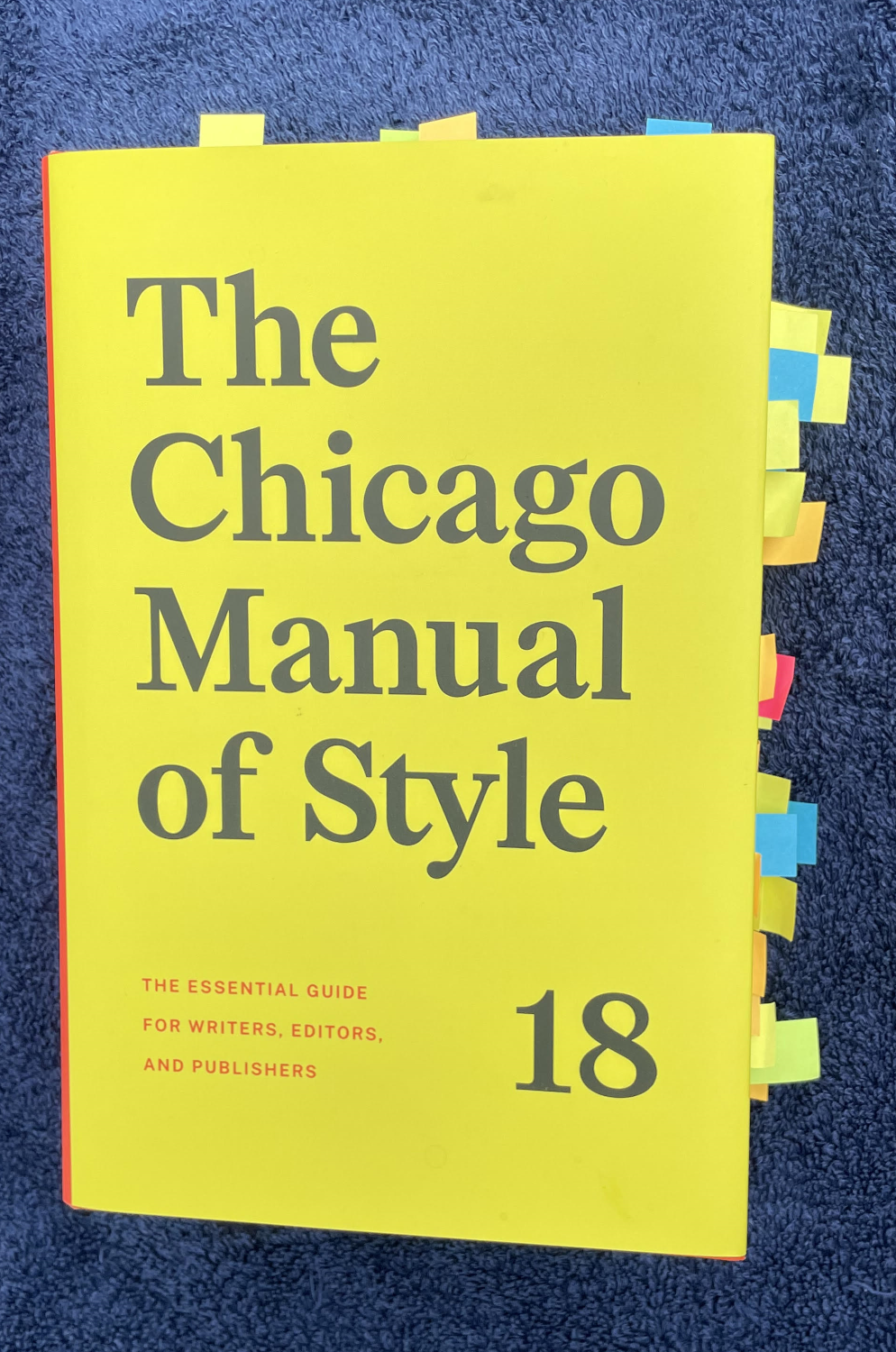
Recently I undertook the project of updating my clients’ house style guides to the latest Chicago style. More than 330 Northwest Editors Guild members edit to this style, according to my informal search of the member directory. So you are likely aware that the print edition of the 18th edition of the Chicago Manual of Style (CMOS) was released on September 18, 2024. Many editors preordered the book or got a sneak preview of the updated CMOS Online before the official release date.
Upon asking my clients about the new edition, I found that they had no plan to implement the changes and no one with time to update house style. In the words of one senior editor, “please drag [client journal] into 2025” and “everyone is too busy to take this on.” Perhaps you find yourself in a similar situation and want to offer to help your clients update their own style guides.
Happy Pride Month
June is LGBTQ+ Pride month, so we want to take the opportunity before it ends to highlight just a few of the editorial organizations and resources on representation and accuracy regarding these vibrant and beloved communities.
Gift Ideas for Editors and Other Literary Folk
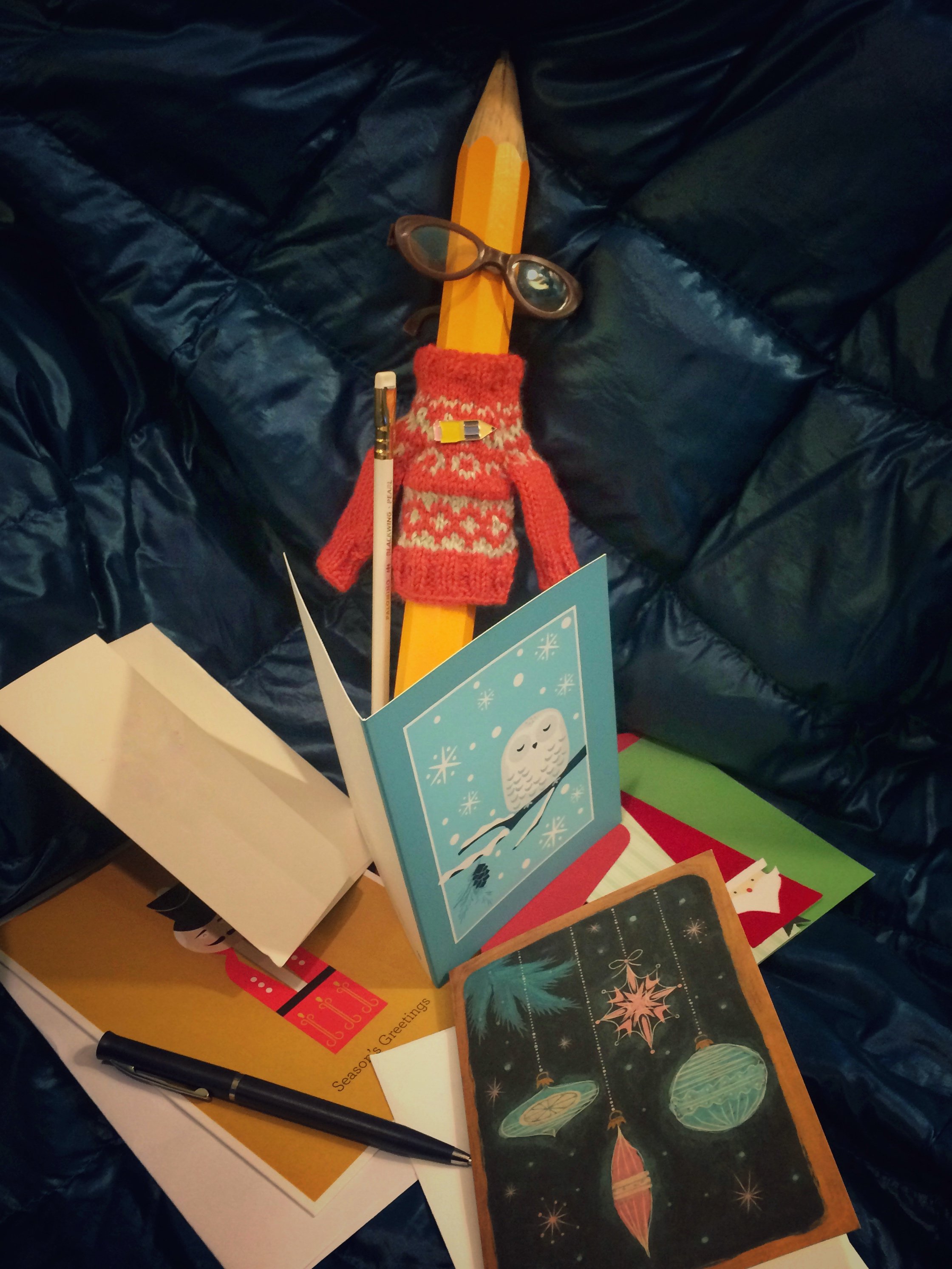
Scrambling for gift ideas to wow the literary friends and family on your list this holiday season? We have a few suggestions for you! Disclaimer: Neither the author of this list nor the Northwest Editors Guild is being paid to advertise any of the companies below, and neither has any affiliation with them apart from the fact that several have received a lot of the author’s money over the years. Alas, she receives no discount for this privilege.

Editing Texts About, or For, Neurodivergent Kids and their Families
More writers than ever identify as neurodivergent (ND), and more writing than ever is about or for neurodivergent children and their families. The recent prominence of these texts is helping to build awareness of neurological differences in mainstream culture that is long overdue. Being ND means having a neurological difference like autism, ADHD, anxiety, dyslexia, or a combination of these diagnoses, as well as others. If you are asked to edit a book or piece about neurodivergence, you will be responsible for helping writers represent ND experiences as faithfully as possible to an audience with varying levels of knowledge and understanding. As an editor, you might wonder how you should approach this work, especially if you or your family are not neurodivergent (that you are aware of). Should you edit this work at all?

No Child Grows Up Wanting to Be an Editor?
Back in June, our volunteer coordinator, Ivonne B. Ward, emailed the Guild’s discussion list with a link that resonated with her: a blog post by John McIntyre titled “The accidental editor.” The main point of the post was summed up with the sentence "No child grows up wanting to be an editor.” Ivonne agreed, as far as her own unpredictable career path went, and asked the discussion list, “Did you always know you wanted to edit/be an editor?”
Since this conversation was extremely popular, and a number of the responses compelling, we thought we would reprint a few highlights here on the blog (with the permissions of their authors, of course) and share a couple of additional thoughts on the subject.

The Neurodivergent Editor: Finding Self-Compassion with Irene Doukas Behrman
Being neurodivergent brings a unique challenge to editors. While there’s no “right” way to be neurodivergent, some prefer remote or freelance jobs where there can be fewer distractions and they can control certain factors, like noise or light levels. But remote and freelance work can also be overwhelming to those struggling to keep up in a neurotypical workforce. With the pandemic bringing forth more remote jobs than ever before, and society shifting its understanding of how the brain works—leading to more people being diagnosed, especially among women—I have been increasingly interested in learning about what it means to be neurodivergent, especially as a freelancer.
So I was excited to be able to talk to Irene Doukas Behrman, an editor at Euro-Med Human Rights Monitor, over email about her experiences being neurodivergent and working remotely.

What is a StetPet? Your Animal Editorial Assistant Questions Answered
Every Wednesday on the Northwest Editors Guild’s social media pages, you’ll find a dog with a goofy grin or a cat conveniently sitting on a keyboard. They aren’t editors, per se, but they are the trusty animal “assistants” to editors from all over the world. Some remind their editors to take a break while others physically impede any actual work getting done by sitting in strategic locations.
They are our StetPets, and we’ve been featuring them consistently since the summer of 2017 on the Guild’s Twitter, Facebook, and LinkedIn pages. Virtual fame and ear scratches from the greater editorial community are included.
The #StetPet hashtag has many editor and writer fans, but we often get questions from people who just discovered StetPets. Here are some of the most common StetPet queries answered for you and your animal assistants.

Editing While Parenting
Many of us have found ourselves busier than usual over the last couple of years, and the situation for parents has been even busier. Covid-19 brought with it concerns about childcare, lockdown, safety, and remote schooling, as well as changes to the way many of us do our regular jobs. The Northwest Editors Guild Blog Team recently had a chance to chat over Google Docs with five busy editors who are also parents, to find out how they’re making it all fit together.