

The Editing Field from an International Perspective: An Interview with Aisha “Ash P” Panjwaneey
The Northwest Editors Guild blog team had the fabulous opportunity to chat recently with Aisha “Ash P” Panjwaneey, owner of Ash P Reads Editing Services. Aisha has two decades of experience in editing across diverse genres and online content. Known among peers as "the book surgeon," she specializes in safe-for-work nonfiction and fiction for all ages. Currently under the mentorship of a renowned comic book editor, Ash is expanding her expertise into new and exciting territories. She is particularly passionate about working with books for young readers and is eager to take on more projects in young adult (YA), middle grade (MG), and children's fiction, as well as graphic novels and comics. We’re excited to share with you everything we learned from that discussion and her experiences.
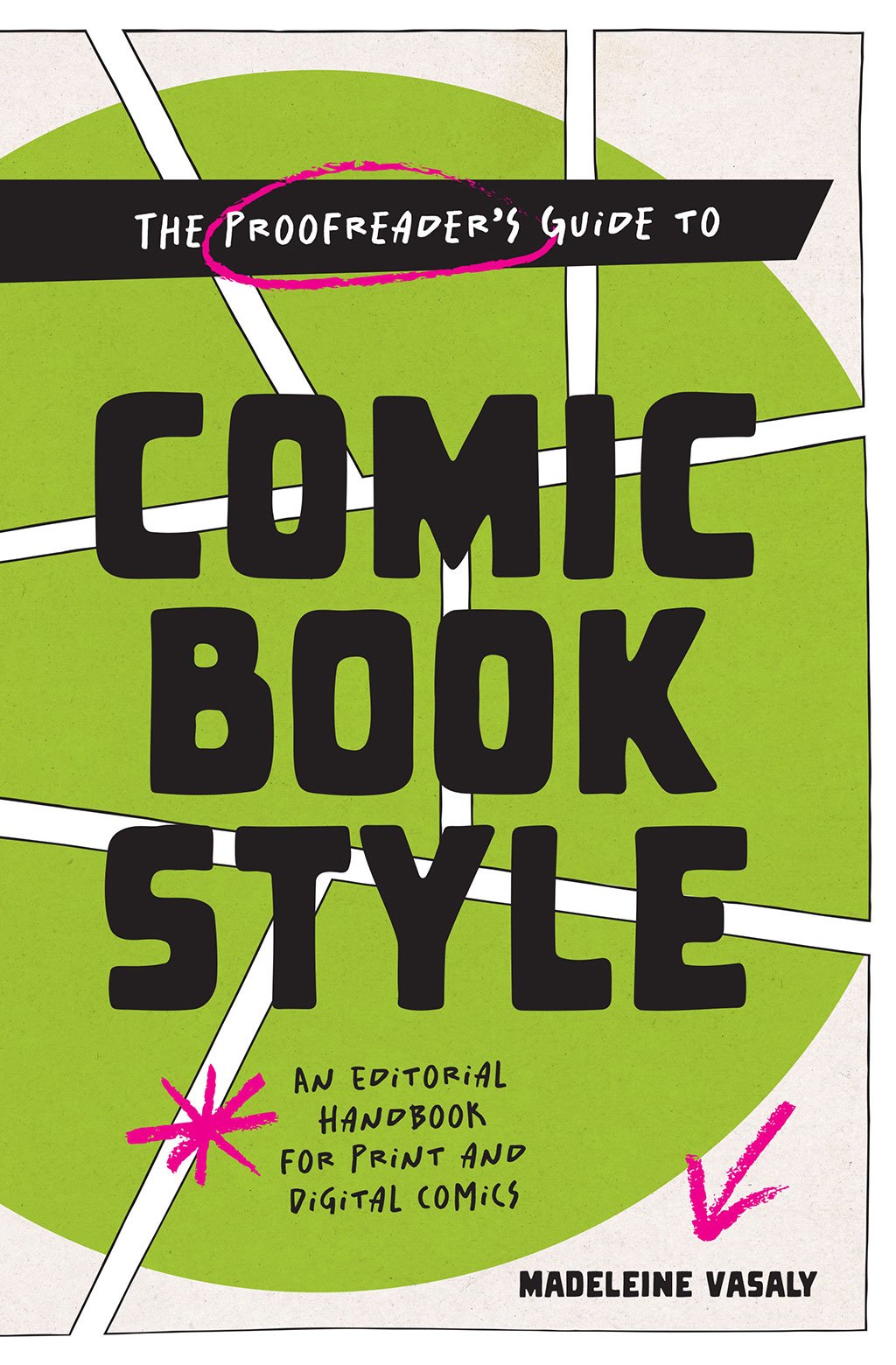
Proofreading Comics with Madeleine Vasaly
The Northwest Editors Guild blog team had the fabulous opportunity to chat recently with Madeleine Vasaly, editor, proofreader, and author of The Proofreader’s Guide to Comic Book Style. We’re excited to share with you everything we learned from that discussion.

The Perils of Editing Horror
Horror fiction provides many possibilities for thrills and chills: the unexpected, the out of place, the unstoppable cosmic evil. It requires good pacing and an appropriate atmosphere, as well as something truly scary. The horror editor’s job is to make sure all those bits fit together into a writhing, squirming, terrifying mass.

Editors Katherine Moore and Alex Crawley on the Seasons of Their Careers
Don’t forget, the Northwest Editors Guild’s Red Pencil Conference is May 6! In line with the theme of “Seasons of an Editing Career,” I spoke with Katherine Moore and Alex Crawley, students at the University of Washington’s Certificate in Editing program, about their thoughts on where they are in their professional journeys, what kind of resources they wish were available to them, and what’s the best part about where they are in their careers right now.
Whether you’re a seasoned editor or just starting out, Red Pencil has something to offer. There’s still time to sign up for virtual, in-person, or hybrid options through our registration page here. Don’t miss the opportunity to connect with other professionals in the editing industry! But hurry! Registration closes for good at 11:59 p.m. Pacific on Sunday, April 30.
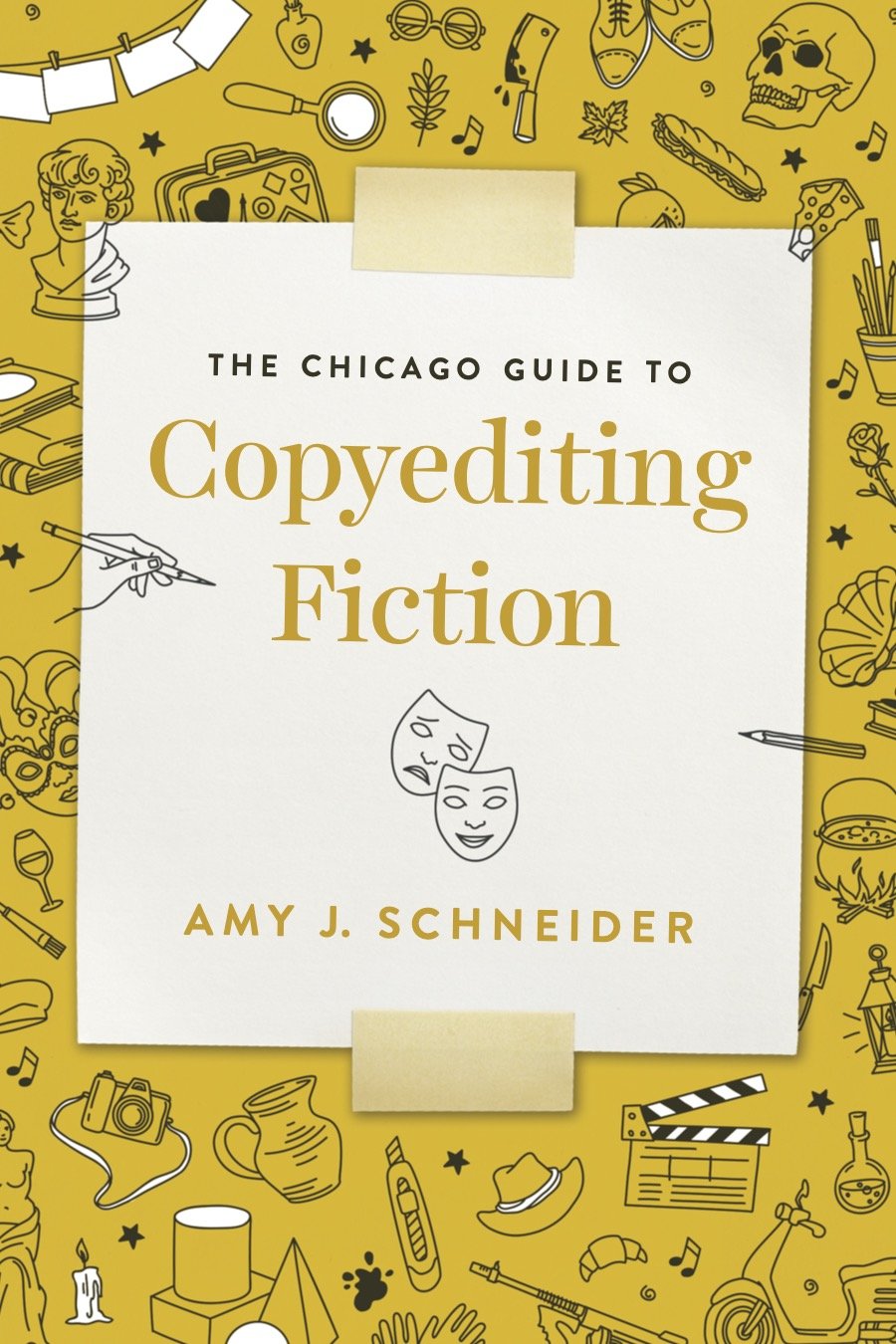
Keynotes and Copyediting Fiction with Amy J. Schneider
Red Pencil is back after a four-year hiatus, and we’re pleased to announce that Amy J. Schneider, a veteran editor and author of the new book, The Chicago Guide to Copyediting Fiction, will be the keynote speaker at this year’s conference. If you haven’t registered yet, the deadline for the Early Bird registration has been extended to March 13, so don’t miss out! Read on to hear from Amy about her keynote, staying current in the publishing industry, and how her StetPet, “Alice the Land Shark,” helps her work.
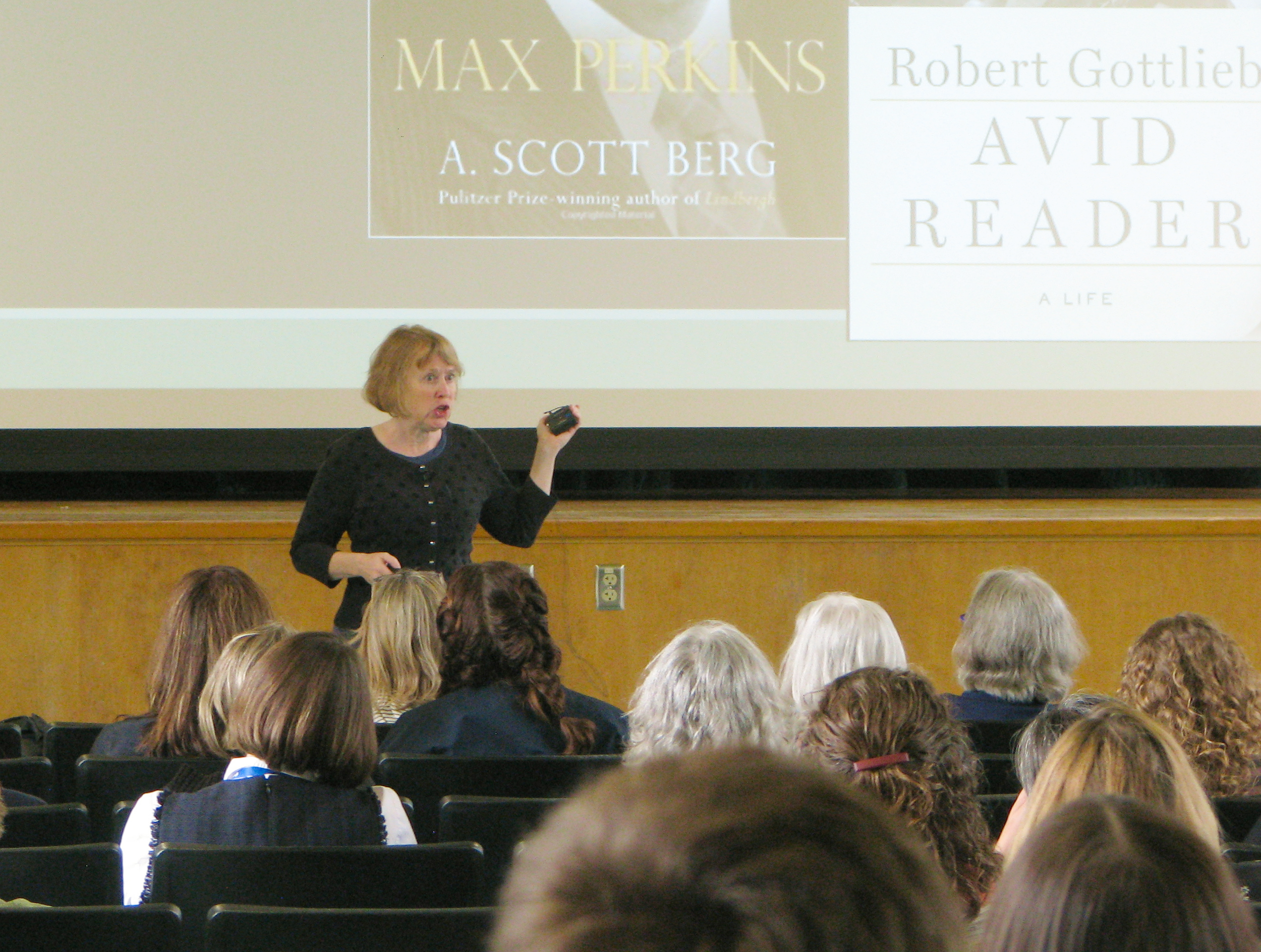
Presenting at Red Pencil with Joanie Eppinga
The deadline for submitting presentation proposals and ideas for Red Pencil 2023 has been extended to Sunday, October 16, so if you’ve got something you want to share with the editing community (or you have an idea you want to suggest someone else share, especially if they’re local!), please get in touch with our conference planning committee. In case you’re nervous about speaking in front of a large group, we want to assure you that Red Pencil is just about the friendliest group you could start with! I sat down with Guild member and past Red Pencil conference and ACES presenter Joanie Eppinga to chat with her about her experiences and advice about presenting.
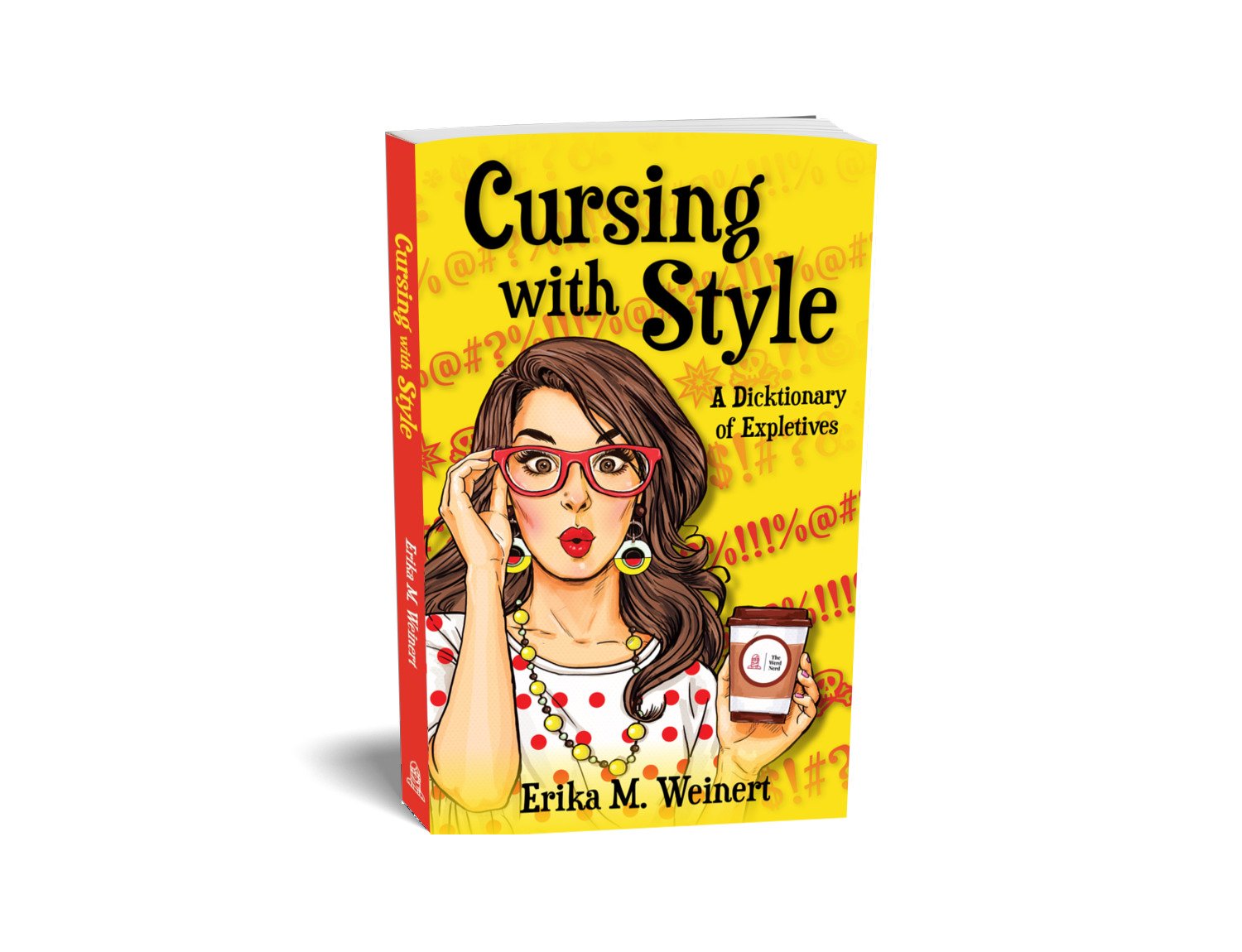
Cursing with Style with Erika M. Weinert, The Werd Nerd
Most editors of fiction (and probably at least a good portion of nonfiction editors, too) have had at least a few unusual expletives come across our desks. But if you start to feel like your latest style sheet would be bleeped on network television, you might need a style guide that covers more inventive swearing than Merriam-Webster and the Chicago Manual of Style are equipped to handle. You might need something like Cursing with Style: A Dicktionary of Expletives, available now, by Guild member Erika M. Weinert.
Content Warning: Since the subject matter is all about swear words and how to use them, this blog post contains significant amounts of adult language, as well as some slurs. We are discussing the words and their uses in a professional context, but if you don’t want to see words that would be censored on network television, consider skipping this blog post.

The Neurodivergent Editor: Finding Self-Compassion with Irene Doukas Behrman
Being neurodivergent brings a unique challenge to editors. While there’s no “right” way to be neurodivergent, some prefer remote or freelance jobs where there can be fewer distractions and they can control certain factors, like noise or light levels. But remote and freelance work can also be overwhelming to those struggling to keep up in a neurotypical workforce. With the pandemic bringing forth more remote jobs than ever before, and society shifting its understanding of how the brain works—leading to more people being diagnosed, especially among women—I have been increasingly interested in learning about what it means to be neurodivergent, especially as a freelancer.
So I was excited to be able to talk to Irene Doukas Behrman, an editor at Euro-Med Human Rights Monitor, over email about her experiences being neurodivergent and working remotely.

It Was a Dreary Night of November: The Importance of Setting in Horror Fiction
If you’ve read Dracula or Frankenstein, you’re probably already aware of how important setting is to the Gothic novel. If Dracula had lived in a cottage by the sea, it would have been a much different story. Unlike other stories at the time, Gothic literature was a place where setting played just as much importance as character and usually involved desolate landscapes in wild and mountainous locations, rambling castles, foggy moors, and decaying ruins.
In contemporary horror fiction—the successor of Gothic literature—setting plays an equal role. But where the Gothic’s settings reflect the fear of giving in to social vices and desires, the horror of the modern reader is focused on realities that are closer to home.

Editing While Parenting
Many of us have found ourselves busier than usual over the last couple of years, and the situation for parents has been even busier. Covid-19 brought with it concerns about childcare, lockdown, safety, and remote schooling, as well as changes to the way many of us do our regular jobs. The Northwest Editors Guild Blog Team recently had a chance to chat over Google Docs with five busy editors who are also parents, to find out how they’re making it all fit together.